When selecting colors for your furniture, it’s also important to consider how colors interact with each other and the other elements in your living room. For instance, pairing cool tones like blues and greens with warm accents such as gold or terracotta can create a balanced and inviting atmosphere. Similarly, soft pastels can introduce a subtle touch of color that feels fresh and calming without overwhelming the senses.
Remember that the finish and texture of your furniture also influence how color is perceived. Matte finishes tend to soften the impact of bold colors, while glossy or velvet fabrics can intensify their richness and depth. Mixing textures alongside color choices adds dimension and interest to your living room design.
Additionally, consider your personal preferences and lifestyle. If you enjoy hosting energetic gatherings, vibrant colors like reds and yellows can encourage socializing and excitement. Conversely, if your living room is a sanctuary for relaxation, calming neutrals and earth tones may be the better choice to promote tranquility.
Color can also influence perceived space. Light, neutral colors can make a small living room feel larger and more open, while dark, saturated tones may make the space feel cozy and intimate. Strategic use of color can help you manipulate the perception of your room’s size and mood.
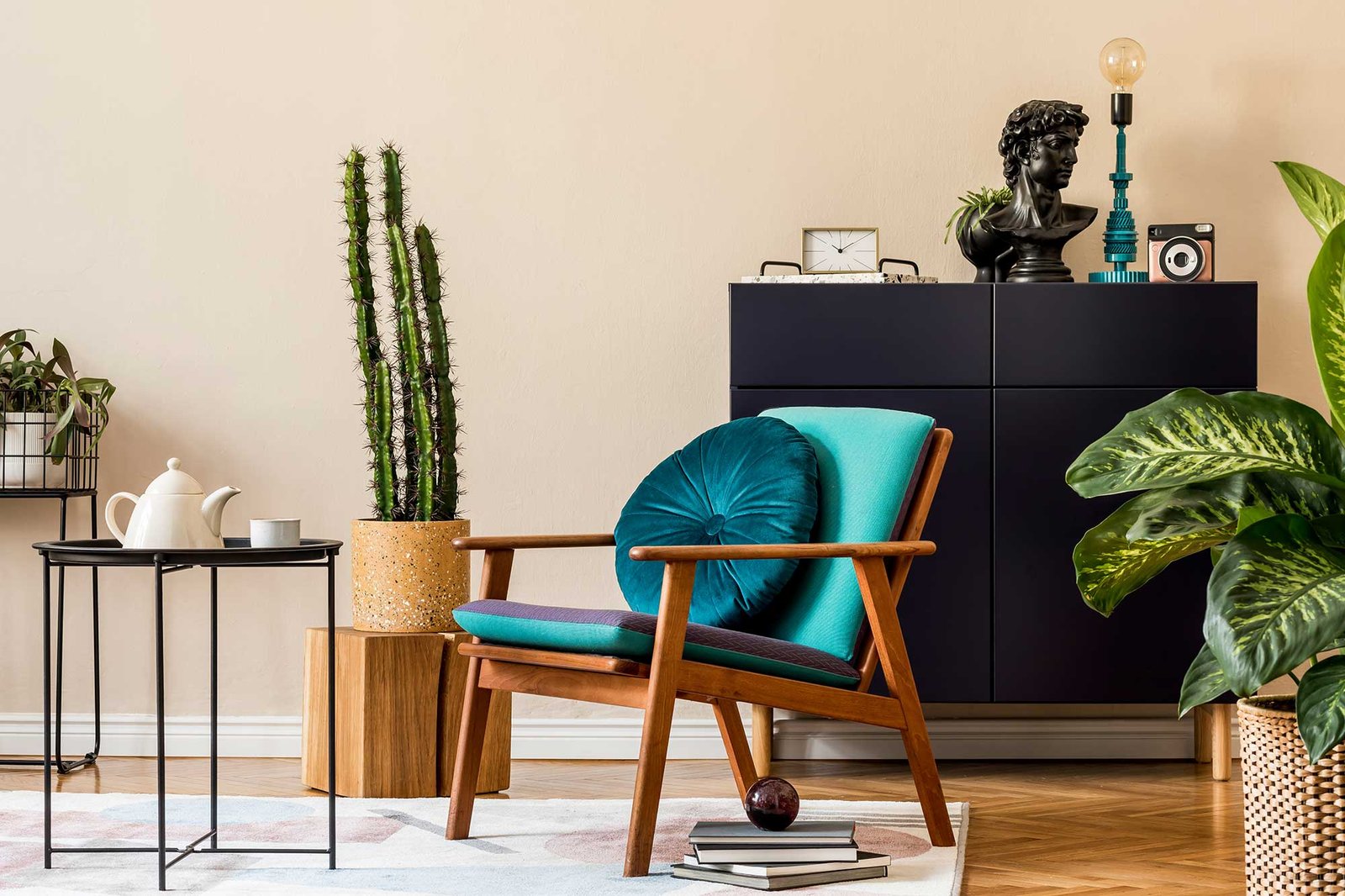
When working with bold colors, use them thoughtfully—accent pieces like chairs, cushions, or rugs can add pops of color without overwhelming the space. This approach allows you to experiment with trendy hues while keeping the room grounded and adaptable over time.
It’s also worth remembering that trends change, but classic colors like soft grays, warm taupes, and muted blues have lasting appeal and versatility. Investing in furniture in these hues ensures your space remains stylish and timeless.
Lastly, don’t forget the power of contrast. Using complementary colors opposite each other on the color wheel, like blue and orange or purple and yellow, can create a lively and harmonious environment that energizes the space.
By combining an understanding of color psychology with your own style and practical needs, you can curate a living room that truly supports your well-being and lifestyle while looking stunning.
✅ 1. Calm and Cozy with Blues and Greens
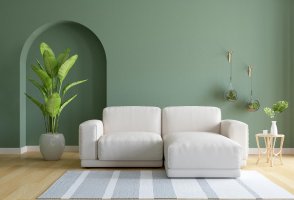
Blue tones bring calmness and serenity, making them ideal for relaxing living rooms. Green connects us to nature, promoting balance and renewal. Sofas or chairs in these hues create tranquil spots perfect for unwinding after a long day.
✅ 2. Warmth and Energy with Reds and Oranges
Reds and oranges are vibrant, energetic colors that stimulate conversation and appetite. Use these tones sparingly in accent chairs or cushions to add warmth and liveliness without overwhelming the room.
✅ 3. Neutral and Versatile with Grays, Beiges, and Whites
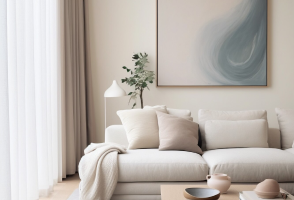
Neutral tones offer timeless elegance and flexibility, easily blending with other colors and textures. Furniture in these shades can create a clean, sophisticated backdrop, allowing you to switch up accessories and décor with ease.
✅ 4. Luxurious and Dramatic with Dark Colors
Deep navy, charcoal, or even black can bring a sense of luxury and depth. These colors work well on statement sofas or chairs, especially when balanced with lighter walls and décor to keep the room feeling open.
✅ 5. Cheerful and Playful with Yellows and Bright Colors
Yellow and other bright colors inject optimism and creativity. Accent chairs or ottomans in these hues can energize your space and lift the mood, especially in rooms with lots of natural light.
🛋️ Tip: Consider your room’s lighting and size. Dark colors can make small rooms feel cozy, but in poorly lit spaces, lighter tones might work better to keep things airy.
🎨 Mixing Colors: Don’t be afraid to combine complementary or analogous colors for a dynamic and balanced look. For example, a blue sofa paired with mustard cushions adds visual interest and warmth.
📚 Bonus: Our eBooks include color guides and palette suggestions tailored to furniture and living spaces, helping you choose tones that match your personality and goals.
🏡 Make Color Work for You
The right furniture colors don’t just fill a room — they create moods, inspire emotions, and help you craft a living room that feels perfectly you. Use color psychology to select pieces that not only look great but also enhance your daily life.